Winter Vegetables for Indian Cooking: What to Buy and How to Use Them
Winter Vegetables for Indian Cooking: What to Buy and How to Use Them
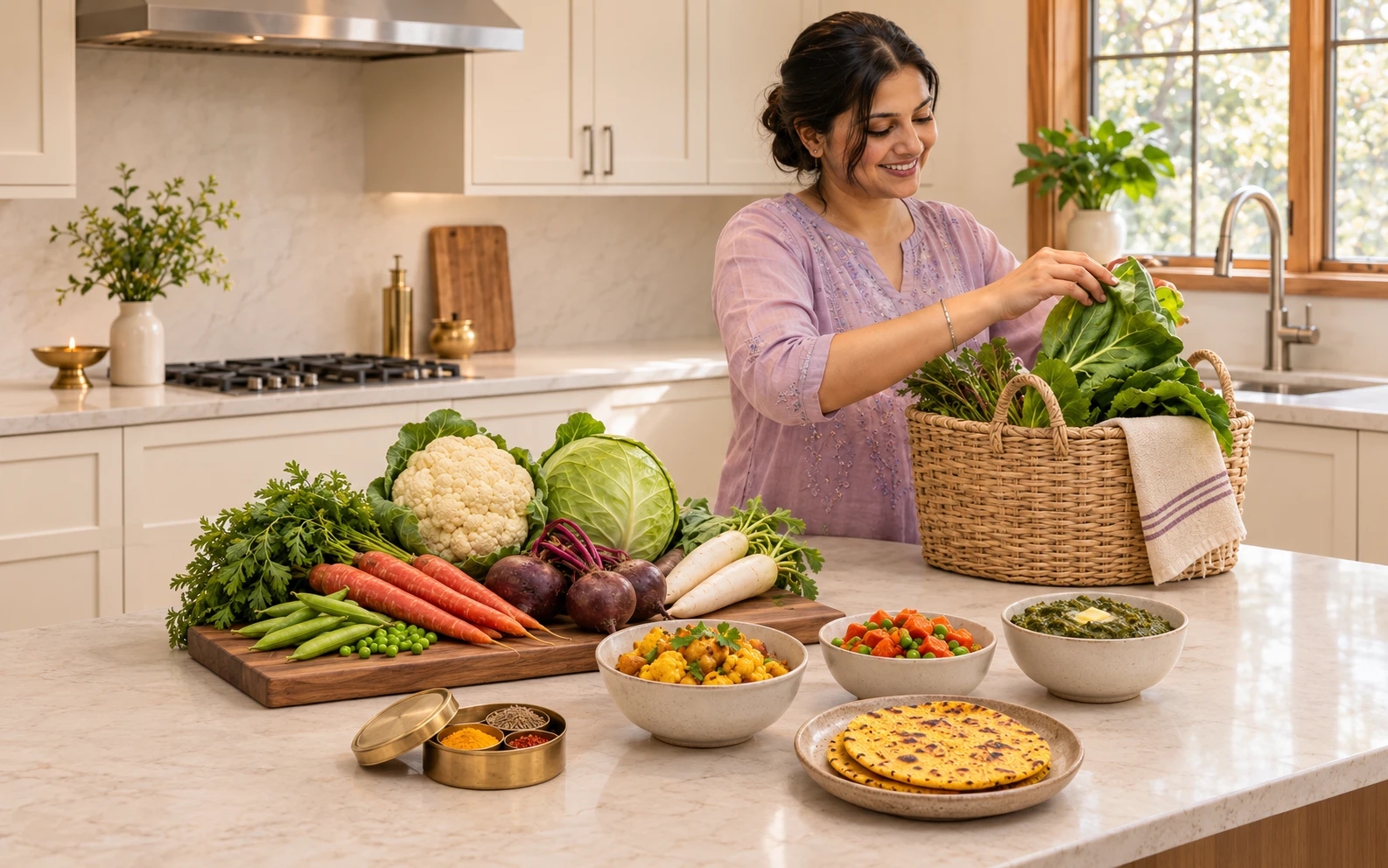
Finding fresh vegetables that taste like home can be challenging during winter, especially when you want to prepare authentic Indian dishes using seasonal ingredients. From comforting sarson ka saag to flavorful aloo gobi and delicious gajar ka halwa, winter brings opportunities to enjoy traditional Indian cooking. Choosing the right winter vegetables for Indian cooking can make everyday meals more flavorful, nutritious, and satisfying.
Whether you live in India or the United States, understanding what to buy, how to select fresh produce, and how to use different vegetables can help you prepare delicious homemade meals. This guide explores the best winter vegetables, their culinary benefits, traditional Indian recipes, and practical shopping tips for the colder months.
Why Winter Vegetables Are Important in Indian Cooking
Seasonal vegetables have always played an important role in Indian food traditions. In many parts of northern India, winter brings an abundance of leafy greens, root vegetables, cauliflower, peas, and fresh herbs. These ingredients form the foundation of popular dishes enjoyed throughout the season.
Benefits of Cooking With Seasonal Vegetables
- Better flavor: Vegetables harvested under suitable growing conditions can offer excellent taste and texture.
- Nutritional variety: Different vegetables provide fiber, vitamins, minerals, and beneficial plant compounds.
- More meal options: Seasonal produce makes it easier to prepare traditional Indian sabzis, soups, curries, and snacks.
- Potential savings: Vegetables available in larger seasonal quantities may offer better value, depending on local supply.
- Less food waste: Planning meals around available vegetables helps families purchase appropriate quantities.
Shopping tip: Winter availability varies by region. Indian winter vegetables commonly associated with November through February may be available at different times in California or through specialty grocery suppliers.
12 Best Winter Vegetables for Indian Cooking
Indian cuisine offers countless ways to transform simple vegetables into comforting meals. Here are 12 vegetables worth adding to your winter grocery shopping list.
1. Carrots (Gajar)
Carrots are among the most recognizable vegetables used in Indian winter cooking. They offer natural sweetness, a satisfying crunch, and beta-carotene, which the body can convert into vitamin A.
Popular Indian dishes:
- Gajar ka halwa
- Gajar matar sabzi
- Carrot and peas pulao
- Gajar ka achar
How to use them: Grate carrots for halwa, chop them into mixed vegetable curries, or prepare a lightly spiced carrot sabzi. Choose firm carrots with smooth skin and avoid those that feel soft or rubbery. For traditional gajar ka halwa, red Indian carrots are especially popular when available.
2. Cauliflower (Phool Gobi)
Cauliflower is a versatile ingredient in Indian vegetarian cuisine. Its mild flavor allows it to absorb spices such as turmeric, cumin, coriander, and garam masala.
Popular Indian dishes:
- Aloo gobi
- Gobi paratha
- Gobi matar
- Gobi pakora
How to use it: Cut cauliflower into evenly sized florets and cook with potatoes, onions, tomatoes, and traditional Indian spices. For a flavorful dry sabzi, avoid adding excessive water. This helps the cauliflower retain its texture. Choose firm, compact cauliflower heads without extensive dark discoloration or signs of decay.
3. Green Peas (Matar)
Fresh green peas are particularly popular during the cooler months in many regions of India. Their naturally sweet flavor makes them an excellent addition to rice dishes, curries, and vegetable preparations.
Popular Indian dishes:
- Matar paneer
- Aloo matar
- Matar pulao
- Matar mushroom curry
How to use them: Add peas to tomato-based gravies, combine them with potatoes, or mix them into vegetable pulao. Choose bright green pods that appear fresh and plump.
Practical alternative: Frozen peas are a convenient option when fresh seasonal peas are unavailable.
4. Spinach (Palak)
Spinach is one of the most useful leafy greens for traditional Indian cooking. It contains nutrients such as folate, vitamin K, and carotenoids, making it a valuable addition to a varied diet.
Popular Indian dishes:
- Palak paneer
- Palak dal
- Aloo palak
- Palak paratha
How to use it: Wash spinach thoroughly, cook until tender, and blend it with spices for a smooth palak paneer gravy. You can also chop spinach and add it to lentils, dough, or mixed vegetable dishes. Choose vibrant leaves without excessive wilting, slime, or yellowing.
5. Mustard Greens (Sarson)
Mustard greens are strongly associated with traditional Punjabi winter cuisine. They have a distinctive, slightly peppery flavor that becomes delicious when slowly cooked with other leafy vegetables.
Popular Indian dishes:
- Sarson ka saag
- Mixed winter greens
- Sarson with makki ki roti
How to use them: Wash the leaves thoroughly and cook until tender with spinach, bathua if available, ginger, garlic, and green chilies. Mash or blend the cooked greens and finish with a flavorful tadka. Serve with makki ki roti for a classic Punjabi winter meal.
6. Fenugreek Leaves (Methi)
Fresh methi leaves offer a pleasantly bitter, aromatic flavor that complements Indian spices. They are particularly popular in homemade flatbreads, vegetable preparations, and lentil dishes.
Popular Indian dishes:
- Methi paratha
- Aloo methi
- Methi matar malai
- Methi dal
How to use them: Remove tough stems, rinse thoroughly, and finely chop the leaves before cooking. Combine methi with potatoes for a simple dry sabzi, or mix it into whole-wheat dough for flavorful parathas. Choose fresh bunches with green leaves and minimal yellowing.
7. Radish (Mooli)
Radish is another popular ingredient in northern Indian winter cuisine. It has a crisp texture and a mildly spicy or peppery flavor that works well in cooked and uncooked preparations.
Popular Indian dishes:
- Mooli paratha
- Mooli sabzi
- Mooli achar
- Radish salad
How to use it: Grate radish, squeeze out excess moisture, and mix it with spices before stuffing it into paratha dough. Radish can also be sliced into salads or sautéed with cumin and turmeric. Select firm radishes with fresh-looking leaves when attached.
8. Cabbage (Patta Gobi)
Cabbage is an affordable, versatile vegetable that works beautifully in everyday Indian meals.
Its mild sweetness and crunchy texture make it useful for quick stir-fries and vegetable combinations.
Popular Indian dishes:
- Patta gobi sabzi
- Cabbage matar
- Cabbage pakora
- Cabbage paratha
How to use it: Finely slice cabbage and sauté with mustard seeds or cumin, green chilies, turmeric, and peas. Cook just until tender for a vegetable dish that retains some texture. Choose compact, heavy cabbage heads with crisp outer leaves.
9. Turnips (Shalgam)
Turnips are traditional root vegetables often featured in winter meals. They have a slightly earthy, peppery taste that becomes milder after cooking.
Popular Indian dishes:
- Shalgam sabzi
- Shalgam matar
- Turnip curry
- Shalgam achar
How to use them: Peel turnips if necessary, cut them into cubes, and cook with onions, tomatoes, ginger, and spices. Turnips also work well in mixed vegetable curries and hearty winter soups. Choose small to medium-sized turnips that feel firm and heavy.
10. Beetroot (Chukandar)
Beetroot adds beautiful color, earthy sweetness, and variety to Indian meals. It can be eaten cooked or raw and works well in both traditional and modern Indian dishes.
Popular Indian dishes:
- Beetroot sabzi
- Beetroot raita
- Beetroot paratha
- Beetroot cutlets
How to use it: Grate beetroot into paratha dough, roast it with spices, or cook and combine it with yogurt for a colorful raita. Its natural sweetness also complements ginger, cumin, and lemon.
11. Sweet Potatoes (Shakarkandi)
Sweet potatoes are frequently enjoyed during the cooler months in India. Their naturally sweet flavor makes them suitable for snacks, chaat, and simple homemade meals.
Popular Indian dishes:
- Shakarkandi chaat
- Sweet potato tikki
- Roasted sweet potatoes
- Sweet potato sabzi
How to use them: Roast or steam sweet potatoes until tender. For a quick Indian-style snack, cut them into cubes and toss with chaat masala, roasted cumin, lemon juice, and fresh coriander.
12. Bathua (Chenopodium Greens)
Bathua is a traditional winter leafy green used in several northern Indian dishes. It has a mild, earthy flavor and pairs well with mustard greens and spinach.
Popular Indian dishes:
- Bathua raita
- Bathua paratha
- Bathua saag
- Mixed winter greens
How to use it: Wash thoroughly, cook until tender, and add to yogurt-based dishes or vegetable preparations. Bathua may be harder to find in standard American supermarkets, so check Indian specialty grocery stores when it is in season.
Quick Winter Vegetable Shopping and Cooking Guide
Vegetable | Best Indian Recipe | What to Look For |
Carrots | Gajar ka halwa | Firm, smooth roots |
Cauliflower | Aloo gobi | Compact, fresh florets |
Green peas | Matar paneer | Plump green pods |
Spinach | Palak paneer | Fresh, green leaves |
Mustard greens | Sarson ka saag | Crisp, healthy leaves |
Fenugreek | Aloo methi | Aromatic green bunches |
Radish | Mooli paratha | Firm, crisp roots |
Cabbage | Patta gobi matar | Compact, heavy head |
Turnip | Shalgam sabzi | Smooth, firm roots |
Beetroot | Beetroot raita | Firm, undamaged roots |
Sweet potato | Shakarkandi chaat | Firm, unbruised skin |
Bathua | Bathua raita | Fresh, tender leaves |
Easy Indian Winter Vegetable Recipes to Try at Home
Using seasonal Indian vegetables does not require complicated cooking techniques. These simple recipe ideas are suitable for everyday family meals.
1. Aloo Gobi: A Comforting Winter Favorite
Ingredients:
- 1 medium cauliflower
- 2 potatoes
- 1 chopped onion
- 1 chopped tomato
- 1 teaspoon cumin seeds
- Turmeric, coriander powder, and garam masala
- Salt and cooking oil
Preparation:
- Wash and cut the cauliflower and potatoes.
- Heat oil and add cumin seeds.
- Sauté onions, tomatoes, and spices.
- Add potatoes and cauliflower.
- Cover and cook over medium-low heat, stirring occasionally, until completely tender.
- Finish with garam masala and fresh coriander.
Serve with warm roti or dal and rice.
2. Sarson Ka Saag: Traditional Punjabi Winter Comfort
Ingredients:
- Mustard greens
- Spinach
- Bathua, if available
- Ginger, garlic, and green chilies
- Makki ka atta, as needed for thickening
- Ghee or oil
Preparation:
- Clean and chop the leafy vegetables.
- Cook with ginger, garlic, chilies, and a little water until tender.
- Mash or blend the greens to your preferred texture.
- Add a small amount of makki ka atta if a thicker consistency is desired.
- Simmer briefly and finish with a garlic tadka.
Serve hot with makki ki roti.
3. Gajar Matar Sabzi: A Quick Everyday Dish
Ingredients:
- 2 cups chopped carrots
- 1 cup green peas
- 1 teaspoon cumin seeds
- Turmeric and coriander powder
- Salt, oil, and fresh coriander
Preparation:
- Heat oil and add cumin seeds.
- Add carrots, peas, and spices.
- Stir well and add a small splash of water if needed.
- Cover and cook until the vegetables are tender.
- Garnish with fresh coriander.
This colorful sabzi pairs well with roti, paratha, or dal.
How to Select and Store Fresh Winter Vegetables
Buying good-quality produce is only the first step. Proper storage helps preserve freshness and reduce unnecessary waste.
Tips for Buying Fresh Vegetables
- Choose vegetables that feel firm and look fresh.
- Avoid produce with visible mold, decay, or extensive bruising.
- Select leafy greens with crisp, vibrant leaves.
- Check cauliflower and cabbage for freshness and signs of deterioration.
- Buy perishable greens in quantities you can realistically use.
How to Store Vegetables at Home
- Leafy greens: Refrigerate promptly and keep them protected from excess moisture.
- Carrots and radishes: Remove leafy tops if attached, then refrigerate in suitable produce bags or containers.
- Cauliflower and cabbage: Store in the refrigerator and cut only when needed.
- Green peas: Refrigerate fresh pods and use promptly, or freeze properly prepared peas for longer storage.
- Sweet potatoes: Keep whole, uncut sweet potatoes in a cool, dry, well-ventilated location rather than a damp refrigerator drawer.
The FDA recommends storing perishable produce at 40°F (4°C) or below and rinsing vegetables under running water before preparation. Avoid washing produce with soap or detergent. For additional guidance, see the FDA's food safety recommendations.
Which Indian Vegetables Are in Season During Winter in the USA?
Winter vegetables commonly associated with Indian cooking may be available in American grocery stores, but availability depends on climate, growing region, and supply chains. In California, vegetables such as carrots, cabbage, cauliflower, turnips, and several leafy greens can be available during cooler months. Specialty vegetables such as fresh methi, sarson, bathua, and Indian red carrots may require a visit to an Indian grocery store.
Here are practical shopping recommendations:
- November: Look for cauliflower, carrots, cabbage, spinach, and other cool-season vegetables.
- December–January: Explore root vegetables, winter greens, cabbage, and specialty Indian produce when available.
- February: Continue using stored root vegetables and locally available greens, while checking for changing seasonal supplies.
These are general planning suggestions rather than guaranteed harvest or store-stock dates.
The USDA Seasonal Produce Guide is a useful resource for understanding produce seasonality.
Where to Buy Fresh Indian Vegetables in Manteca, CA
Finding the right vegetables is especially important when preparing traditional Indian recipes in the United States. Shopping at a specialty Indian grocery store can make it easier to look for familiar vegetables, spices, lentils, flours, and other essential ingredients. For families searching online for fresh Indian vegetables near me, Raunak Bazar in Manteca, California, is a local grocery shopping option worth exploring.
Visit Raunak Bazar to learn more about the store and plan your next grocery trip. Since fresh produce selection can change, check availability before visiting for specialty seasonal vegetables.
How to Plan a Weekly Indian Winter Vegetable Menu
A weekly meal plan can help you use vegetables efficiently while enjoying different traditional dishes.
Day | Meal Idea |
Monday | Aloo gobi with roti |
Tuesday | Palak paneer with jeera rice |
Wednesday | Gajar matar sabzi with dal |
Thursday | Methi paratha with yogurt |
Friday | Cabbage matar with chapati |
Saturday | Sarson ka saag with makki ki roti |
Sunday | Mixed vegetable pulao with beetroot raita |
Meal-planning tip: Prepare ingredients that store well in advance, but use delicate leafy greens earlier in the week. You can also prepare larger batches of cooked curries, cool them promptly, and refrigerate or freeze leftovers safely for later meals.
Conclusion: Bring Seasonal Freshness to Your Indian Kitchen
Winter is a wonderful season to explore traditional Indian cooking with fresh vegetables, aromatic spices, and comforting homemade recipes. From classic aloo gobi and palak paneer to flavorful methi paratha and sarson ka saag, winter vegetables for Indian cooking offer endless possibilities for everyday meals. Choosing seasonal produce, storing it correctly, and planning meals thoughtfully can help you enjoy nutritious dishes while making the most of your grocery purchases.
If you're looking for familiar Indian grocery ingredients in Manteca, California, explore Raunak Bazar at 2151 Moffat Blvd, Manteca, CA 95336. Plan your next winter grocery trip, explore seasonal ingredients, and bring your favorite homemade Indian recipes to the table.