Navratri to Festive Season: A Smart Fasting Food and Bulk Grocery Buying Guide
Navratri to Festive Season: A Smart Fasting Food and Bulk Grocery Buying Guide
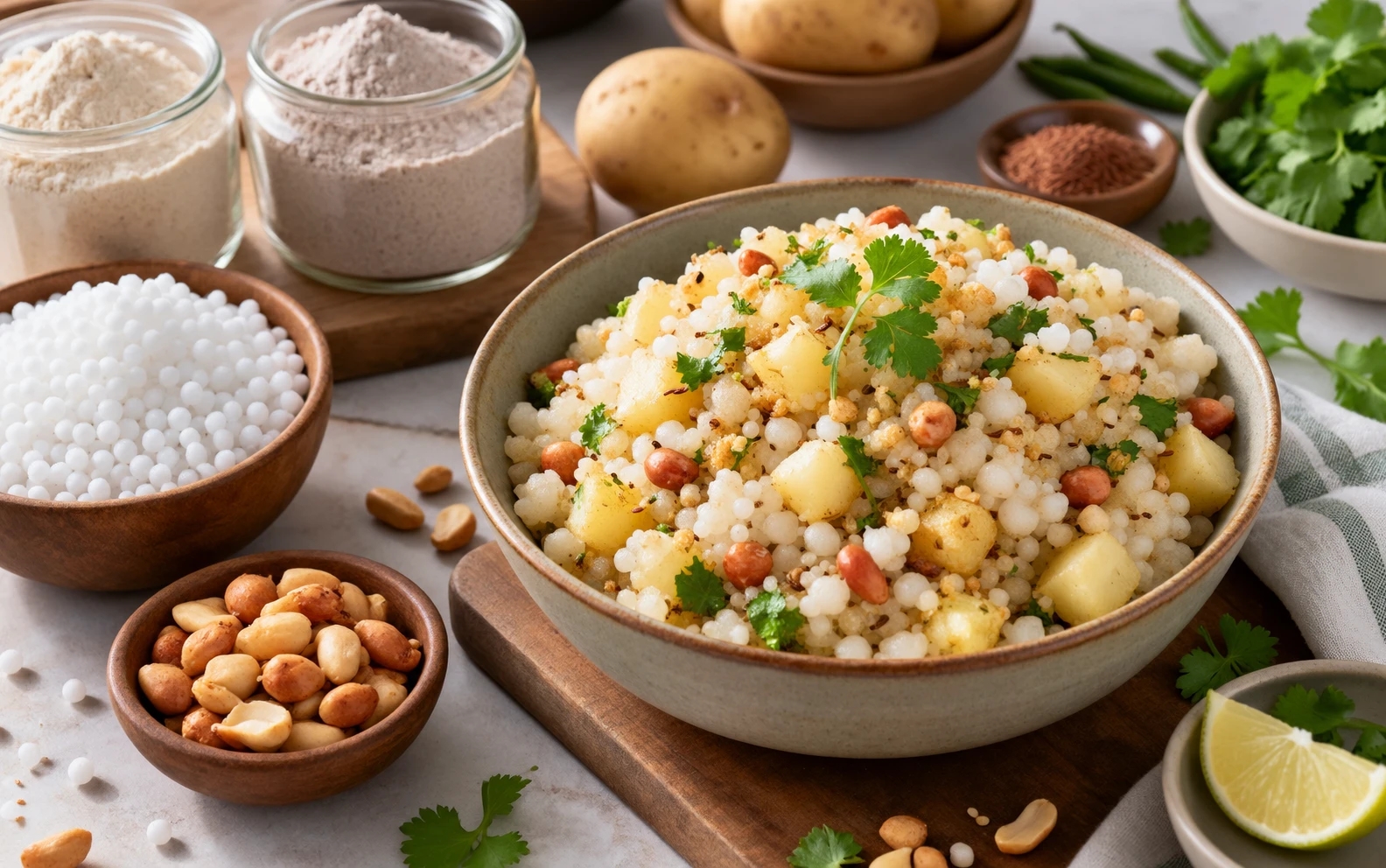
September can mark the beginning of an especially busy period for Indian household kitchens. Navratri preparations bring fasting menus and specialty ingredients into focus, while the wider festive calendar can quickly lead into weeks of family meals, religious observances, gatherings and celebratory cooking. That creates a practical grocery-shopping challenge.
Should you purchase all your festival groceries at once? Which Navratri foods deserve a place in the pantry beforehand? Which ingredients are sensible to buy in larger quantities? And which should be purchased closer to the day you plan to use them? The answer is not to buy everything in bulk. A better approach is to create a festive-season buying calendar based on what your family actually cooks.
For Navratri, that may mean planning around singhare ka atta, kuttu flour and sabudana. For the weeks that follow, it means identifying which shelf-stable staples your household will repeatedly use and separating those from fresh or occasion-specific ingredients. Here's how to build a more organized festive grocery plan.
Start With Your Family's Festival Calendar
Before thinking about quantities, think about dates. Indian households do not all observe the same festivals in the same way. Regional background, family tradition and religious practice can significantly change the menu. Write down the celebrations your household expects to observe over the coming weeks. Then add any gatherings you already know about.
Will relatives be visiting? Are you hosting friends? Are you preparing food for a community gathering? Will you be cooking mainly for your immediate household? This turns “festival shopping” into a concrete plan. Instead of buying ingredients because they look festive or might be useful later, you can connect each purchase with an actual meal or occasion.
Navratri Comes First: Understand Your Fasting Pantry
For households observing Navratri fasting traditions, ordinary meal patterns may change considerably. Ingredients such as singhare ka atta, kuttu flour and sabudana become particularly useful because they can form the basis of different vrat preparations. However, fasting customs vary between families and communities.
Before buying anything, confirm which ingredients your household considers appropriate. A food used by one family during Navratri may not necessarily fit another family's practice. Your own tradition should determine your shopping list.
Singhare Ka Atta: Plan Around Actual Recipes
Singhare ka atta, or water chestnut flour, is used in a variety of vrat-friendly preparations. The important thing for shoppers is to avoid treating it exactly like regular wheat atta. Its characteristics are different, so the recipes and handling methods are different too.
If your Navratri plan includes dishes based on singhare ka atta, decide how many times you realistically expect to make them. One meal requires a very different quantity from several fasting days for a larger household.
Should You Buy Singhare Ka Atta in Bulk?
Not automatically. Specialty flour is worth buying in a quantity that reflects genuine use. If your household regularly cooks with it and your planned recipes require a substantial amount, a larger pack may make practical sense. If you only intend to make one dish, buying far more simply because it is festival season can leave an unnecessary surplus. Let your meal plan determine the quantity.
Kuttu Flour: Another Vrat Staple With a Different Role
Kuttu flour, made from buckwheat, is another ingredient commonly associated with Navratri fasting in many households. Kuttu and singhara may both appear on a vrat shopping list, but that does not make them interchangeable. Use the flour specified by your recipe.
If you are planning multiple fasting days, alternating dishes can help create variety. One meal might use a kuttu-based preparation, while another could center on sabudana or a different ingredient permitted by your family's tradition. This approach has another benefit: you can purchase realistic quantities of several ingredients rather than overbuying one.
Sabudana: Buy It With the Preparation Schedule in Mind
Sabudana is one of the most recognizable ingredients in many fasting kitchens. It is commonly used in dishes such as sabudana khichdi and other preparations, depending on family preference. Unlike some pantry ingredients, sabudana often requires advance preparation for particular recipes.
That means your meal calendar should include not only what you are cooking but also when preparation needs to begin. If your planned breakfast requires soaking or another advance step, note it the previous evening rather than discovering the requirement when everyone is ready to eat.
Think Beyond the Sabudana Packet
A complete grocery plan includes everything required for the dish. Review your family's recipe and note the permitted accompanying ingredients. The precise list will depend on your household's fasting traditions, so avoid relying on a universal “vrat ingredients” checklist without checking whether it fits your practices.
Create a Three-Stage Festive Buying Calendar
Once the Navratri menu is planned, broaden your view to the rest of the festive season. Instead of one giant grocery trip, organize shopping into three stages.
Stage 1: Shelf-Stable Staples
Begin with ingredients that your household expects to use repeatedly and that can be stored according to their package directions. Depending on your planned recipes, this category might include flours, rice, pulses, spices or other dry groceries. The key phrase is depending on your planned recipes. Do not buy an ingredient merely because it is common in Indian festival cooking.
Stage 2: Festival-Specific Ingredients
Next come ingredients purchased for a particular celebration or recipe. Your Navratri singhare ka atta or kuttu flour may fall into this category if you rarely use them outside fasting periods. Likewise, ingredients required for a specific sweet or regional preparation should be connected to the date when you actually intend to cook it.
Stage 3: Fresh and Perishable Groceries
Fresh produce and other perishable items generally require a different shopping rhythm from dry pantry staples. Plan these purchases closer to when your recipes require them, considering appropriate storage and package guidance. This helps avoid treating every festival grocery as if it has the same useful storage period.
Bulk Buying Should Be Based on Usage, Not Excitement
The phrase “stocking up for festive season” can easily become an excuse to overfill the pantry. A more useful definition of bulk buying is purchasing a larger quantity because your planned household consumption justifies it. Suppose several upcoming meals use the same staple. ombining those requirements may reveal that purchasing a larger quantity is practical. But if a specialty ingredient appears in only one recipe, the same logic does not apply.
Before choosing a larger pack, ask three questions:
- How many planned recipes use this ingredient?
- How much does each recipe require?
- Will my household realistically use the remainder?
Those questions turn bulk buying from an impulse into a calculation.
Use Regional Menus to Improve Your Shopping Plan
The annual festive season can look very different across Punjabi, Gujarati, Tamil, Telugu, Kannada, Maharashtrian, Bihari, UP and other Indian households. That matters when planning groceries. A generic “Indian festival shopping list” can become unnecessarily long because it combines ingredients from traditions your family may not even be preparing.
Instead, build the calendar around your household's actual regional menu. If extended family members from different backgrounds will be celebrating together, ask each cook what they intend to prepare and combine the lists. This makes multicultural gatherings easier to organize while preserving the identity of each dish.
Check Your Pantry Before Every Major Shopping Trip
Buying a second packet of an ingredient you already have is one of the easiest ways to waste a festival grocery budget. Before heading to the store, check your pantry carefully.
Look at:
- Actual quantities remaining
- Package dates
- Storage condition
- Ingredients already assigned to another recipe
- Open packages that should be used before new ones
Do the same for your refrigerator and freezer where relevant. A five-minute pantry check can completely change what needs to go on the shopping list.
Plan by Recipe, Then Consolidate
One of the simplest ways to organize a long festive grocery list is to work backward from recipes. Suppose your household has planned several Navratri meals followed by other festive preparations. Write the ingredients for each dish separately. Then combine repeated ingredients into one master list.
If the same ingredient appears in four recipes, calculate the total quantity required rather than writing it down four times. You now have a shopping list based on real consumption rather than guesswork. This technique is especially useful for larger family gatherings.
Don't Confuse Bulk Buying With Buying Everything Early
Some ingredients make sense to purchase ahead when they are shelf-stable and will definitely be used. Others are better purchased closer to the cooking date.
Your festive buying calendar should therefore answer two questions:
How much do we need?
and
When should we buy it?
Those are different decisions. For example, knowing that a recipe requires a fresh ingredient does not mean you need to purchase it several weeks before the celebration. Separating quantity planning from purchase timing makes the entire system more practical.
Make Space Before You Stock Up
Storage is another part of bulk buying that shoppers sometimes overlook. A large package is not useful if you cannot store it appropriately. Before bringing additional festival groceries home, organize the pantry and identify where dry ingredients will go. Keep foods sealed and follow the storage instructions provided on their packaging.
A tidy pantry also makes inventory easier. When ingredients are visible and organized, you are less likely to purchase duplicates during your next grocery run.
Keep Navratri Foods Clearly Organized
During Navratri, households may be preparing fasting meals alongside regular meals for family members who are not fasting. Organization becomes particularly useful in this situation. Keep specialty fasting ingredients clearly identifiable and make sure anyone cooking understands which groceries are intended for the vrat menu.
For packaged or prepared products, read the ingredient statement when your family's fasting rules exclude particular ingredients. Do not assume that two visually similar packaged foods have identical formulations.
Plan for Busy Weekdays as Well as Celebration Days
Festive-season planning often focuses on the main celebration while forgetting ordinary workdays between festivals. But those are often the days when a good grocery plan matters most. If Navratri falls during a busy work or school week, identify simpler meals for those evenings. Save more time-intensive cooking for days when the household schedule allows it.
The same principle works throughout the festive season. Not every meal needs to be elaborate simply because celebrations are approaching. A realistic calendar is more useful than an ambitious one that becomes impossible to follow.
Build a Reusable Festival Grocery System
One of the best outcomes of planning this year is making next year's preparation easier.
Save your final shopping list.
After the festive season, make a few notes:
- Which ingredients did you run out of?
- Which did you buy too much of?
- Which meals did everyone actually enjoy?
- Which specialty groceries remained unused?
- How many guests did you cook for?
Next year, those notes provide a much stronger starting point than memory alone. Over time, your family's festive grocery calendar can become increasingly accurate.
Festival Grocery Planning in Manteca, CA
For Indian families in Manteca and surrounding Central Valley communities, a recipe-based buying calendar can simplify multiple festival grocery trips. Start with Navratri fasting requirements. Then map the celebrations and meals that follow. Purchase dry staples according to genuine household use while scheduling fresh and occasion-specific ingredients closer to when they are required.
Raunak Bazar in Manteca serves the local Indian grocery community. Because individual products and inventory can vary, shoppers seeking a specific fasting or festival ingredient should confirm availability rather than assuming it will always be stocked. Arriving with a carefully organized list makes the shopping trip useful regardless.
Conclusion: Stock Smarter for the Festive Season
Navratri can be the ideal point to start organizing the wider festive-season pantry. Begin with the foods your family actually plans to prepare. For fasting households, that may include singhare ka atta, kuttu flour and sabudana, along with the other ingredients permitted by your family's traditions.
Then look ahead. Identify shelf-stable staples that will genuinely be used across several celebrations, keep festival-specific ingredients tied to actual recipes, and schedule fresh grocery purchases closer to the cooking date. Most importantly, do not confuse festive preparation with buying everything in bulk. Smart stocking means having the right ingredient, in the right quantity, at the right time.
For families looking for an Indian grocery store in Manteca, CA, Raunak Bazar can be included in your Navratri and festive-season shopping plans. Check your pantry, prepare your menu and bring a consolidated grocery list so each purchase has a clear purpose. That way, when the celebrations begin, your attention can stay where it belongs on cooking, traditions and time with family rather than last-minute searches for forgotten ingredients.