Ganesh & Vinayaka Chaturthi Food Guide: Modak and Kozhukattai Ingredients for Festive Cooking
Ganesh & Vinayaka Chaturthi Food Guide: Modak and Kozhukattai Ingredients for Festive Cooking
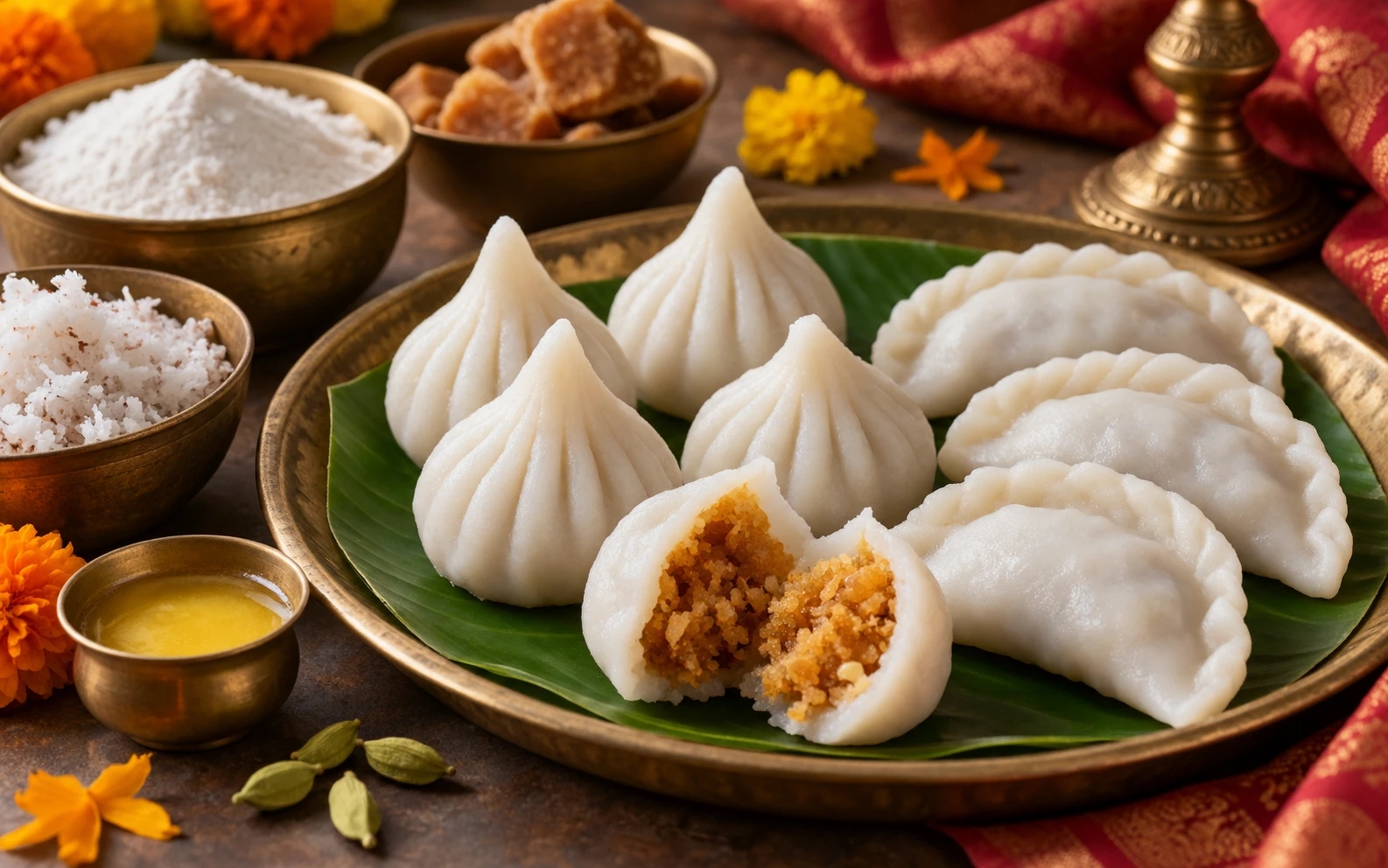
Festival food often tells the same story in wonderfully different regional ways. During Ganesh Chaturthi and Vinayaka Chaturthi, families across India prepare special foods as part of their celebrations. In many Maharashtrian households, modak is one of the best-known preparations associated with the festival. In Tamil and Telugu homes, rice-flour-based preparations such as kozhukattai or kudumulu may take an important place on the festive menu.
The names, shapes, methods and family traditions can differ, yet many versions begin with a remarkably familiar group of pantry ingredients: rice flour, coconut and jaggery. For Indian families living in Manteca, CA, preparing these foods can also be a meaningful way to continue regional traditions across generations.
Instead of treating Ganesh or Vinayaka Chaturthi shopping as one enormous festival grocery trip, it helps to understand what each recipe actually needs. This guide brings together two related September traditions modak and kozhukattai preparation to help you organize your ingredients and festival kitchen more efficiently.
One Festival, Many Regional Food Traditions
Ganesh Chaturthi is celebrated across different regions and communities, and food traditions naturally reflect that diversity. A family from Maharashtra may immediately think of steamed modak when planning the celebration. A Tamil household may prepare kozhukattai, while Telugu families may have their own familiar preparations and names.
Even within the same regional community, recipes are not necessarily identical. One grandmother may make the outer layer slightly thinner. Another household may prefer more coconut in the filling. Some families may add cardamom, while others follow a recipe passed down through generations with its own proportions and techniques. That variety is worth preserving. Rather than looking for a single "correct" festival recipe, start with the version your household wants to prepare and build your grocery list around it.
Rice Flour: The Ingredient Connecting Both Traditions
One of the strongest connections between steamed modak and many kozhukattai preparations is rice flour. It forms the outer covering that surrounds the filling in many traditional versions. Although the ingredient list can appear simple, making a smooth and workable rice-flour dough requires attention. The dough needs to be soft enough to shape while remaining strong enough to contain the filling during preparation and cooking.
Why Buying the Right Ingredient Matters
Rice flour is not interchangeable with every rice-based product in the pantry. If your family recipe specifies rice flour prepared in a particular way, follow that recipe rather than substituting a different product simply because it is made from rice. This becomes especially important if you are preparing a large festival batch. A small difference in dough texture may not seem important when making one or two pieces, but it becomes much more noticeable when shaping enough modaks or kozhukattai for a family gathering. Before shopping, check your recipe, calculate the approximate quantity required and see how much usable rice flour you already have at home.
Coconut: Building the Traditional Sweet Center
Coconut is another ingredient that connects many sweet modak and kozhukattai preparations. When combined with jaggery, coconut creates a rich filling that contrasts with the relatively mild rice-flour exterior. The key is not merely having coconut available. Preparation and texture matter too.
A filling needs to be manageable enough to place inside the dough without making shaping unnecessarily difficult. Follow the recipe your family trusts, particularly when it comes to preparing the coconut and controlling moisture in the filling.
Plan Coconut Quantities Around Your Batch
Festival shopping can encourage people to purchase ingredients without first deciding how much they will cook. Reverse that process. Estimate how many modaks or kozhukattai your family intends to prepare. Check the yield of your chosen recipe and then calculate the amount of coconut needed. If you plan to make both foods, combine your requirements before shopping. That simple step helps avoid purchasing the same ingredient twice or discovering midway through cooking that the amount you bought is not enough for both recipes.
Jaggery: Bringing Sweetness to the Filling
Jaggery is the third major ingredient shared by many versions of these festive sweets. Combined with coconut, it creates a filling with a distinctive flavor that works particularly well inside a steamed rice-flour covering. But sweetness preferences vary from household to household. Some families enjoy a richer, sweeter filling. Others prefer a more balanced mixture where coconut remains prominent.
This is another reason family recipes are valuable. Once you know the ratio your household prefers, you can shop much more accurately. If you are making a recipe for the first time, preparing a small test batch before the main celebration can help you determine whether the filling suits your family's taste.
Modak: Planning the Maharashtrian Favorite
Steamed modak often associated with the name ukadiche modak is recognizable for its pleated shape and sweet interior. Creating that shape can take practice. The outer rice-flour layer is formed around the filling and carefully closed at the top. The pieces are then steamed according to the chosen recipe.
For beginners, shaping is often the part that requires the most patience. Instead of attempting a large batch for the first time on the main festival day, consider practicing beforehand. Even a few trial pieces can help you understand how thinly the covering should be shaped and how much filling is practical.
What Belongs on a Basic Modak Shopping List?
For a traditional coconut-jaggery version, your recipe may call for core ingredients such as:
- Rice flour
- Coconut
- Jaggery
- Cardamom or other recipe-specific flavoring
- Ghee or other ingredients specified by your family recipe
Treat this as a starting framework rather than a universal recipe. Your household's preparation should determine the final list.
Kozhukattai: A South Indian Vinayaka Chaturthi Tradition
For many Tamil families, kozhukattai is closely connected with Vinayaka Chaturthi celebrations. At first glance, a sweet filled kozhukattai may seem very similar to a modak and there are certainly overlapping ingredients. But regional preparation, terminology, shapes and family techniques give the dish its own identity. That distinction matters. Combining the shopping requirements of the two traditions does not mean treating them as exactly the same food.
Sweet Kozhukattai Ingredients
Sweet versions may use a rice-flour outer covering with a coconut-jaggery filling, making the shopping list familiar to anyone also preparing steamed modaks. Depending on the family recipe, additional aromatics or ingredients may be used. The best approach is to write down your family's complete recipe before shopping instead of assuming that the ingredient proportions for modak will automatically work for kozhukattai.
Tamil and Telugu Traditions May Use Different Names and Methods
It is also important not to flatten Tamil and Telugu festival cooking into one generic "South Indian" category. Recipes, names and preparation styles can vary. Tamil households may commonly refer to kozhukattai, while Telugu households may prepare related offerings under names such as kudumulu or undrallu, depending on the dish and family tradition.
For a grocery shopper, the lesson is straightforward: shop according to the actual preparation, not merely the festival name. Ask the person cooking which flour, filling ingredients, pulses, seasonings or other components their particular recipe requires. That prevents a general festival checklist from replacing the family's real culinary tradition.
One Shopping Trip for Modak and Kozhukattai
If your household or extended family celebrates with dishes from more than one regional tradition, combining the ingredient planning can make shopping more efficient.
Start by creating two recipe columns:
Modak | Kozhukattai
Write every ingredient required underneath each heading. Then circle the overlapping ingredients. Rice flour, coconut and jaggery may appear in both columns. Instead of purchasing separate amounts without thinking about the total, calculate how much you need across both recipes. Keep recipe-specific ingredients separate. This method is particularly useful for multicultural Indian families, community celebrations or gatherings where several regional foods will be prepared together.
Don't Forget the Small Ingredients
Major ingredients receive most of the attention, but smaller pantry items can stop a recipe in its tracks when they are missing. Check whether your chosen recipes call for cardamom, ghee, oil, salt, nuts or other ingredients. Do this several days before cooking. The goal is not to create an oversized "festival essentials" cart. It is to ensure every ingredient on your actual recipe is available when preparation begins.
Organize Your Festival Cooking Schedule
When making both modak and kozhukattai, ingredient shopping is only half of the preparation.
Kitchen timing matters too. Decide which fillings or other components your recipes allow you to prepare ahead. Organize your cookware and serving dishes. Check whether several recipes need the same equipment.
If family members are helping, divide tasks according to experience. One person might prepare filling while another handles dough. Younger family members can participate in age-appropriate, safe tasks under adult supervision. Festival cooking often becomes more enjoyable when it is a shared activity rather than one person's long kitchen shift.
Use the Occasion to Preserve Family Recipes
Living away from the region where a family tradition originated can make written recipes especially valuable. Ask older family members how they make modak, kozhukattai or other Vinayaka Chaturthi foods. Record not only the ingredients but also the small details: dough consistency, filling texture, shaping technique and the visual signs they use to judge when something is ready.
Those details are often missing from a simple ingredient list. A handwritten recipe can eventually become a family record that younger generations continue using in Manteca, elsewhere in California or wherever they live in the future.
Shopping for Ganesh and Vinayaka Chaturthi in Manteca
For Central Valley families, preparing regional Indian festival foods often means gathering specialty ingredients alongside regular weekly groceries. The smartest approach is to arrive with a precise list. Separate it into shared ingredients, such as rice flour, coconut and jaggery, and recipe-specific ingredients needed only for one preparation.
Raunak Bazar in Manteca serves shoppers looking for Indian grocery essentials. If you need a particular festival ingredient, it is sensible to confirm availability before making a special trip rather than assuming that every item is always in stock.
Celebrate Different Traditions Around the Same Table
Modak and kozhukattai show how Indian festival cooking can be both connected and wonderfully regional. Rice flour, coconut and jaggery may provide common ground, but family methods, shapes, names and recipes give each preparation its individual character.
That is what makes combining these two traditions particularly meaningful. Instead of choosing between them, a family gathering can become an opportunity to share both. Someone familiar with modak can demonstrate pleating. Someone who grew up making kozhukattai can share their family's technique. Children can see how similar ingredients transform into foods connected with different regions and generations.
Conclusion: Plan the Ingredients, Preserve the Tradition
Ganesh and Vinayaka Chaturthi cooking becomes easier when preparation begins with the recipes rather than with a generic shopping list. For many traditional sweet modak and kozhukattai preparations, rice flour, coconut and jaggery provide the foundation. From there, regional recipes and family traditions determine the details.
Decide what you are making, calculate quantities for both recipes, identify overlapping ingredients and purchase only what your actual festival menu requires. For families shopping for Indian groceries in Manteca, CA, Raunak Bazar can be part of your festival grocery planning. Bring your family's ingredient checklist with you and prepare for a celebration that keeps both familiar flavors and regional traditions at the center of the table.