15 Essential Indian Grocery Items Every Kitchen Should Have
15 Essential Indian Grocery Items Every Kitchen Should Have
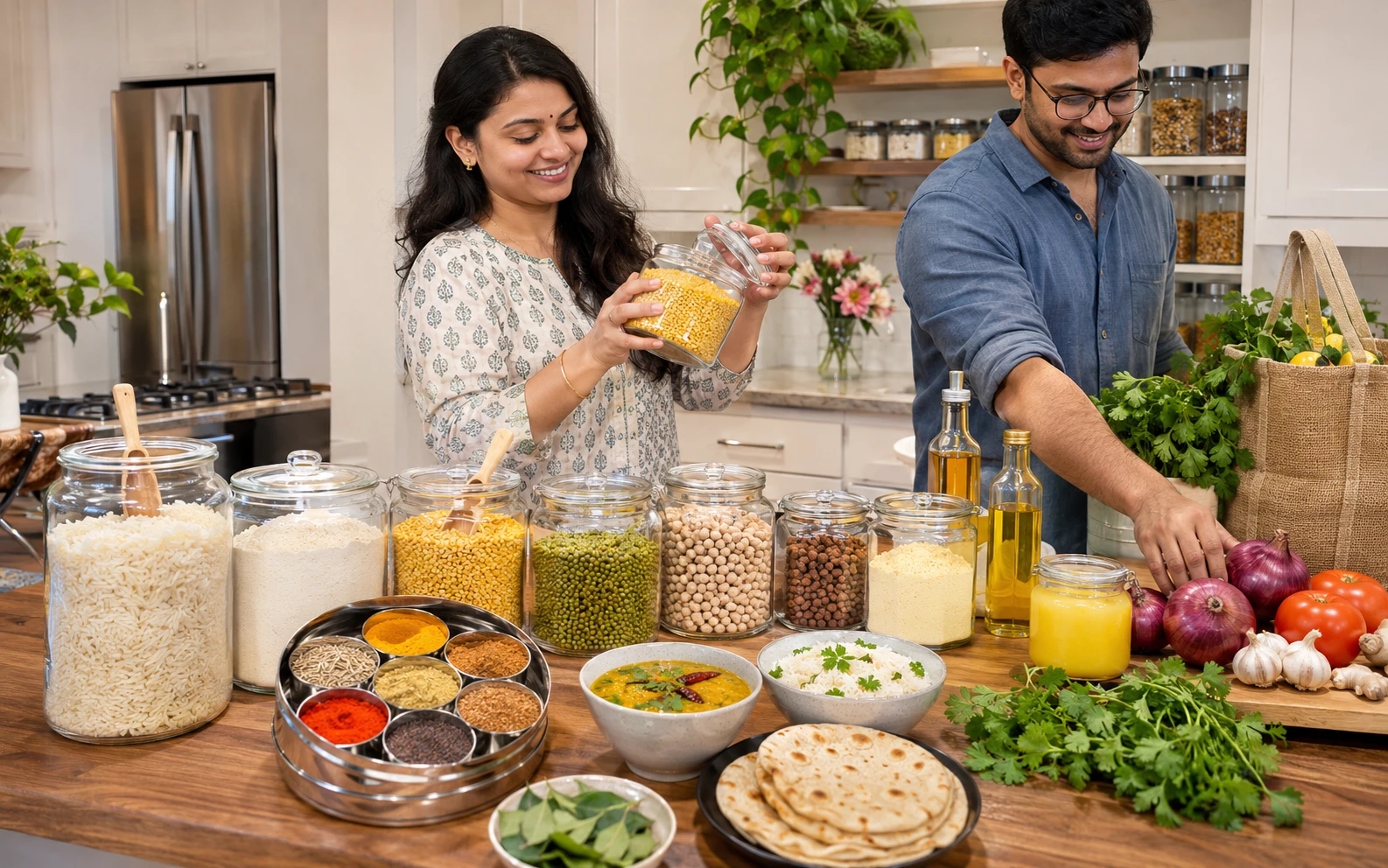
Have you ever started cooking your favorite Indian dish only to realize that an essential spice, lentil, or ingredient is missing from your kitchen? Whether you're preparing a comforting bowl of dal, fluffy basmati rice, or homemade chapati, having the right ingredients makes everyday Indian cooking easier and more enjoyable. A well-stocked Indian kitchen doesn't require hundreds of ingredients. With just a few carefully selected essential Indian grocery items, you can prepare a wide variety of traditional meals, experiment with regional flavors, and simplify your weekly grocery shopping.
For Indian families living in the United States, finding authentic ingredients can sometimes feel challenging. Knowing which groceries to prioritize helps you save time, reduce unnecessary purchases, and preserve the familiar flavors of home. This guide explores 15 must-have Indian grocery items, their everyday uses, shopping tips, and simple ways to incorporate them into your meals.
Why Every Kitchen Needs Essential Indian Grocery Items
Indian cuisine is known for its aromatic spices, comforting grains, flavorful lentils, and colorful vegetables. From North Indian curries to South Indian breakfasts, many recipes rely on a shared collection of ingredients.
Keeping these Indian kitchen essentials available offers several practical benefits:
- Convenient meal preparation: Cook your favorite Indian dishes without making frequent grocery trips.
- More cooking flexibility: Prepare multiple recipes using the same basic ingredients.
- Budget-friendly shopping: Purchase frequently used staples in suitable quantities and avoid unnecessary waste.
- Authentic Indian flavors: Use traditional spices, lentils, and grains to recreate familiar recipes.
- Balanced meal planning: Combine grains, pulses, vegetables, and other foods for varied meals.
According to the Indian Council of Medical Research National Institute of Nutrition's Dietary Guidelines for Indians (2024), dietary variety is important for obtaining essential nutrients. Grains, pulses, vegetables, fruits, dairy or suitable alternatives, nuts, and other food groups all contribute to a balanced eating pattern.
Key takeaway: A well-planned Indian grocery list should include more than spices. Grains, pulses, cooking essentials, and fresh ingredients are equally important.
15 Essential Indian Grocery Items for Everyday Cooking
1. Basmati Rice – A Versatile Indian Kitchen Staple
Basmati rice is one of the most recognizable ingredients in Indian cuisine. Its long grains, distinctive aroma, and fluffy texture make it popular for everyday meals and special occasions. It works beautifully with rich curries, lentil preparations, and flavorful rice dishes.
Popular uses:
- Vegetable pulao and biryani
- Jeera rice
- Dal chawal
- Rice served with rajma or chole
- Indian-style fried rice
Shopping tip: Choose rice based on your preferred texture and cooking style. Aged basmati is often preferred for dishes requiring long, separate grains. For everyday meals, you can also explore other Indian rice varieties, including Sona Masoori and ponni rice.
2. Whole Wheat Flour (Atta) – Essential for Indian Flatbreads
No traditional Indian grocery list feels complete without whole wheat flour, commonly known as atta. Atta is widely used to prepare soft rotis, chapatis, and parathas, making it a regular ingredient in many Indian households. Whole wheat atta also contains dietary fiber and nutrients naturally present in wheat.
Popular uses:
- Homemade roti and chapati
- Stuffed aloo paratha
- Plain paratha
- Poori
- Thepla
Shopping tip: Select atta suitable for Indian flatbreads and store it in a tightly sealed container in a cool, dry area. If you cook chapatis frequently, purchasing larger packages may be practical, provided you can use the flour while it remains fresh.
3. Toor Dal – A Comforting Everyday Lentil
Toor dal, also called arhar dal or split pigeon peas, is a familiar ingredient in many Indian kitchens. Its mild flavor and creamy texture make it suitable for comforting meals throughout the week. Toor dal contributes plant-based protein, fiber, and other nutrients to meals.
Popular uses:
- Traditional dal tadka
- Gujarati dal
- South Indian sambar
- Dal served with steamed rice
- Simple vegetable and lentil preparations
Shopping tip: Choose clean, evenly colored dal and store it in an airtight container. For convenient cooking, prepare a larger batch and refrigerate portions promptly for upcoming meals.
4. Moong Dal – A Versatile Choice for Quick Meals
Moong dal is another important ingredient among Indian pantry staples. Available in split yellow, split green, and whole green varieties, it can be used in many different recipes. Split yellow moong dal is particularly convenient for simple, relatively quick-cooking meals.
Popular uses:
- Moong dal khichdi
- Moong dal tadka
- Moong dal chilla
- Dal soups
- Sweet moong dal halwa
Shopping tip: Keep yellow moong dal available for simple weeknight cooking, and explore whole green moong for sprouts or hearty curries. Cooking times vary depending on the variety, soaking, and cooking method.
5. Chickpeas (Chana) – Perfect for Hearty Indian Curries
Chickpeas are among the most useful legumes for preparing filling Indian meals. Kabuli chana, commonly called white chickpeas, is widely used in North Indian cooking, while kala chana has a smaller, darker appearance and a different texture. Chickpeas provide plant-based protein, fiber, and minerals.
Popular uses:
- Punjabi chole
- Chana masala
- Chana chaat
- Chickpea salads
- Kala chana curry
Shopping tip: Dried chickpeas are useful for pantry storage, while canned chickpeas offer convenience. Soak dried chickpeas before cooking and ensure they are fully cooked before serving.
6. Turmeric Powder (Haldi) – An Everyday Indian Spice
Turmeric is one of the most recognizable essential Indian spices. Known for its golden-yellow color and earthy taste, turmeric is commonly used in dals, vegetable preparations, curries, and rice dishes. It is especially valued in Indian cooking for the color and flavor it adds.
Popular uses:
- Dal and vegetable curries
- Aloo gobi
- Turmeric rice
- Homemade spice blends
- Golden milk preparations
Shopping tip: Purchase turmeric powder from a reliable food retailer and choose sealed, properly labeled packaging. Use modest quantities according to the recipe, as too much turmeric can create a bitter flavor.
7. Cumin Seeds (Jeera) – The Foundation of Indian Tempering
Cumin seeds add a warm, earthy aroma to many Indian dishes. They are frequently used in tadka, the Indian cooking technique of blooming spices in heated oil or ghee. Whole cumin is particularly useful because it can be roasted, tempered, or ground when needed.
Popular uses:
- Jeera rice
- Dal tadka
- Aloo jeera
- Vegetable curries
- Homemade roasted cumin powder
Shopping tip: Keep whole cumin seeds in an airtight spice container, away from heat and direct sunlight. For stronger aroma, lightly toast cumin seeds before grinding them.
8. Coriander Powder (Dhania Powder) – Adds Depth to Curries
Coriander powder is another important ingredient in everyday Indian cooking. Made from dried coriander seeds, it has a mild, slightly citrusy and earthy flavor that complements other Indian spices. It is commonly used in vegetable curries, gravies, and masala preparations.
Popular uses:
- Aloo matar
- Mixed vegetable curry
- Chana masala
- Paneer curry
- Homemade masala blends
Shopping tip: Buy coriander powder in quantities you can use while it remains aromatic. For fresher flavor, purchase whole coriander seeds and grind small batches at home.
9. Red Chili Powder (Lal Mirch) – Bring Heat and Color to Your Food
Red chili powder is essential for cooks who enjoy vibrant, flavorful Indian dishes. Different varieties offer different levels of heat and color. Kashmiri chili powder, for example, is often chosen for its appealing red color and generally milder heat compared with hotter chili powders.
Popular uses:
- Indian curries
- Tandoori marinades
- Vegetable stir-fries
- Chutneys
- Homemade spice mixes
Shopping tip: Start with a small amount and adjust the heat to your preference. Families who prefer milder food may find Kashmiri chili powder a useful alternative to hotter varieties.
10. Garam Masala – A Must-Have Indian Spice Blend
Garam masala is a traditional spice blend used in many Indian recipes. Depending on the region and recipe, it may contain cinnamon, cloves, cardamom, cumin, black pepper, and other aromatic spices. Adding a small amount can give a dish greater warmth and complexity.
Popular uses:
- Paneer butter masala
- Chole
- Rajma
- Vegetable curry
- Chicken curry
Shopping tip: Choose a garam masala blend that matches the flavor profile you enjoy. Because recipes and brands vary, start with a small quantity and adjust according to taste.
11. Mustard Seeds (Rai) – Small Seeds with Big Flavor
Mustard seeds are an important ingredient in numerous regional Indian cuisines, particularly South Indian and western Indian cooking. When heated in oil, they pop and develop a distinctive nutty, pungent flavor. Mustard seeds often appear alongside curry leaves, dried chilies, and other tempering ingredients.
Popular uses:
- South Indian sambar
- Coconut chutney tempering
- Poha
- Gujarati vegetable dishes
- Homemade pickles
Shopping tip: Black or brown mustard seeds are commonly used for Indian tempering. Store them in a dry, airtight container to protect their quality.
12. Gram Flour (Besan) – A Multipurpose Cooking Ingredient
Besan is a popular flour made from ground chana dal. It has a slightly nutty flavor and is useful for preparing savory snacks, quick breakfasts, and traditional sweets. Besan is naturally gluten-free, although people avoiding gluten should check packaging for possible cross-contact.
Popular uses:
- Besan chilla
- Onion pakora
- Kadhi
- Dhokla
- Besan ladoo
Shopping tip: Store besan in a sealed container and avoid buying more than you can use before it loses freshness. For households that enjoy homemade snacks, besan is an especially practical ingredient.
13. Ghee – A Traditional Ingredient for Rich Flavor
Ghee is clarified butter traditionally used in Indian cooking. It adds a rich aroma to food and is often used to finish dishes or prepare certain sweets and festive recipes. Its concentrated flavor means that a small amount can have a noticeable effect.
Popular uses:
- Dal tadka
- Homemade parathas
- Halwa
- Khichdi
- Indian sweets and desserts
Shopping tip: Choose food-grade ghee with clear labeling and follow the manufacturer's storage instructions. Since ghee is a concentrated source of fat, use portions that fit your overall dietary needs.
14. Indian Cooking Oils – Essential for Everyday Meal Preparation
Cooking oil is an important part of nearly every Indian kitchen. Different regional cuisines use different oils based on flavor, tradition, and cooking techniques. Common choices include mustard oil, groundnut oil, sesame oil, sunflower oil, and other vegetable oils.
Popular uses:
- Vegetable curries
- Tempering spices
- Sautéing onions and tomatoes
- Preparing snacks
- Cooking regional Indian dishes
Shopping tip: Select an edible cooking oil appropriate for your recipe and cooking temperature. For mustard oil, check that the product is specifically labeled for culinary use in your market. Choose oils thoughtfully, use moderate quantities, and avoid repeatedly overheating cooking oil.
15. Fresh Indian Cooking Essentials – Onions, Tomatoes, Ginger, Garlic, and Green Chilies
Fresh aromatics and vegetables are the foundation of countless Indian recipes. Onions, tomatoes, ginger, garlic, and green chilies are particularly useful because they combine to create flavorful curry bases and everyday dishes. Together, they help bring freshness, aroma, acidity, sweetness, and heat to cooking.
Popular uses:
- Onion-tomato curry bases
- Ginger-garlic paste
- Vegetable sabzi
- Dal tempering
- Fresh chutneys and marinades
Shopping tip: Purchase fresh ingredients according to your weekly meal plan. Store produce appropriately, refrigerate perishable prepared pastes, and use fresh ginger-garlic paste promptly. Other useful additions include potatoes, cauliflower, spinach, cilantro, and curry leaves.
How to Create a Budget-Friendly Indian Grocery List
Building an Indian pantry does not mean purchasing every ingredient in large quantities. The most practical approach is to start with foods you use regularly and gradually introduce additional ingredients as your cooking habits develop.
Start with the Basics
For a beginner, focus on rice, atta, one or two varieties of dal, and a small selection of essential Indian spices. These ingredients are sufficient for preparing many simple meals, including dal chawal, roti, vegetable curry, and khichdi.
Choose Groceries Based on Your Weekly Menu
Before shopping, plan four or five meals you would like to prepare.
For example:
- Monday: Dal tadka with jeera rice
- Tuesday: Aloo gobi with chapati
- Wednesday: Vegetable khichdi
- Thursday: Chole with rice
- Friday: Besan chilla with chutney
This approach helps you identify the ingredients you need and avoid buying items that may remain unused.
Buy Bulk Quantities Strategically
Rice, frequently used lentils, and other dry staples may be economical in larger packages. However, only buy quantities that you can store safely and use before quality deteriorates. Spices, especially ground varieties, are often better purchased in smaller packs to preserve aroma.
Practical Tip: Keep a reusable Indian grocery shopping list on your phone so you can check supplies before visiting a store.
How to Store Indian Pantry Staples Properly
Good storage habits help preserve flavor, maintain ingredient quality, and reduce food waste.
Here are a few practical recommendations:
- Rice and lentils: Keep in clean, airtight, food-safe containers in a cool, dry location.
- Atta and besan: Store in tightly sealed packaging; refrigeration or freezing may help extend freshness, depending on the product and climate.
- Ground spices: Protect from moisture, sunlight, and heat.
- Whole spices: Keep in sealed containers and grind small portions when needed.
- Cooking oils: Follow package directions and avoid storing bottles beside a hot stove.
- Fresh vegetables: Store according to the produce type and refrigerate cut vegetables promptly.
Label containers with purchase or opening dates, and check ingredients periodically for unusual odors, moisture, mold, or pantry pests. Always follow the storage and best-before guidance provided on packaged foods.
Where Can You Buy Authentic Indian Grocery Items in the USA?
Finding authentic Indian ingredients is easier when you know what to look for in a grocery store. A dedicated Indian grocery store may offer products that are less common in mainstream supermarkets, including regional rice varieties, traditional dals, specialty flours, and Indian spice blends.
When choosing where to shop, consider:
- Ingredient variety: Look for commonly used and regional Indian grocery products.
- Product labeling: Check ingredient lists, package dates, and storage instructions.
- Convenience: Choose a location that fits your regular shopping routine.
- Freshness: Inspect fresh produce and packaged products before purchasing.
- Shopping value: Compare package sizes based on how frequently you use each ingredient.
Indian Grocery Shopping in Manteca, California
For families searching for an Indian grocery store near me in Manteca, California, Raunak Bazar is a local option to explore. Shopping locally can make it easier to plan meals, explore familiar Indian grocery products, and discover ingredients for traditional recipes. You can learn more about the store at Raunak Bazar.
Conclusion: Build Your Indian Kitchen One Essential at a Time
A well-stocked Indian kitchen is about choosing useful ingredients rather than filling every shelf. From aromatic basmati rice and wholesome lentils to flavorful spices and traditional cooking essentials, these 15 essential Indian grocery items form a practical foundation for everyday Indian meals. Whether you're preparing your first homemade dal or recreating a favorite family recipe, keeping the right ingredients available makes cooking more convenient, enjoyable, and rewarding.
The best Indian pantry is one that matches your cooking style, preferences, and everyday needs. If you're planning your next grocery trip in Manteca, California, explore Raunak Bazar and use this checklist to make your shopping experience simpler. Start with the ingredients you use most, experiment with a new recipe, and build a kitchen that brings your favorite Indian flavors to the table.